
Complete Construction With Single-Source Accountability
Turnkey ADU Construction in Portland for property owners who need site preparation through final finishes handled by one contractor
Coordinating separate contractors for excavation, foundation, framing, electrical, plumbing, roofing, and interior finishing creates scheduling gaps that extend project timelines and complicate accountability when problems occur. A turnkey approach means one contractor manages every trade and every phase so communication stays direct and responsibility remains clear. ADU Homes Of Maine completes the entire scope—from initial site work through final walkthrough—under one contract, which eliminates the delays that happen when trades blame each other for incomplete work or damaged materials.
The process includes site clearing and grading, utility connections, foundation installation, framing and structural work, roofing and weatherproofing, electrical and plumbing systems, insulation, drywall, interior finishes, and final inspection coordination. Each phase proceeds once the previous stage passes inspection, with the same project manager overseeing sequencing to prevent rework.
Arrange an on-site consultation to review your property and discuss which turnkey services your project requires.
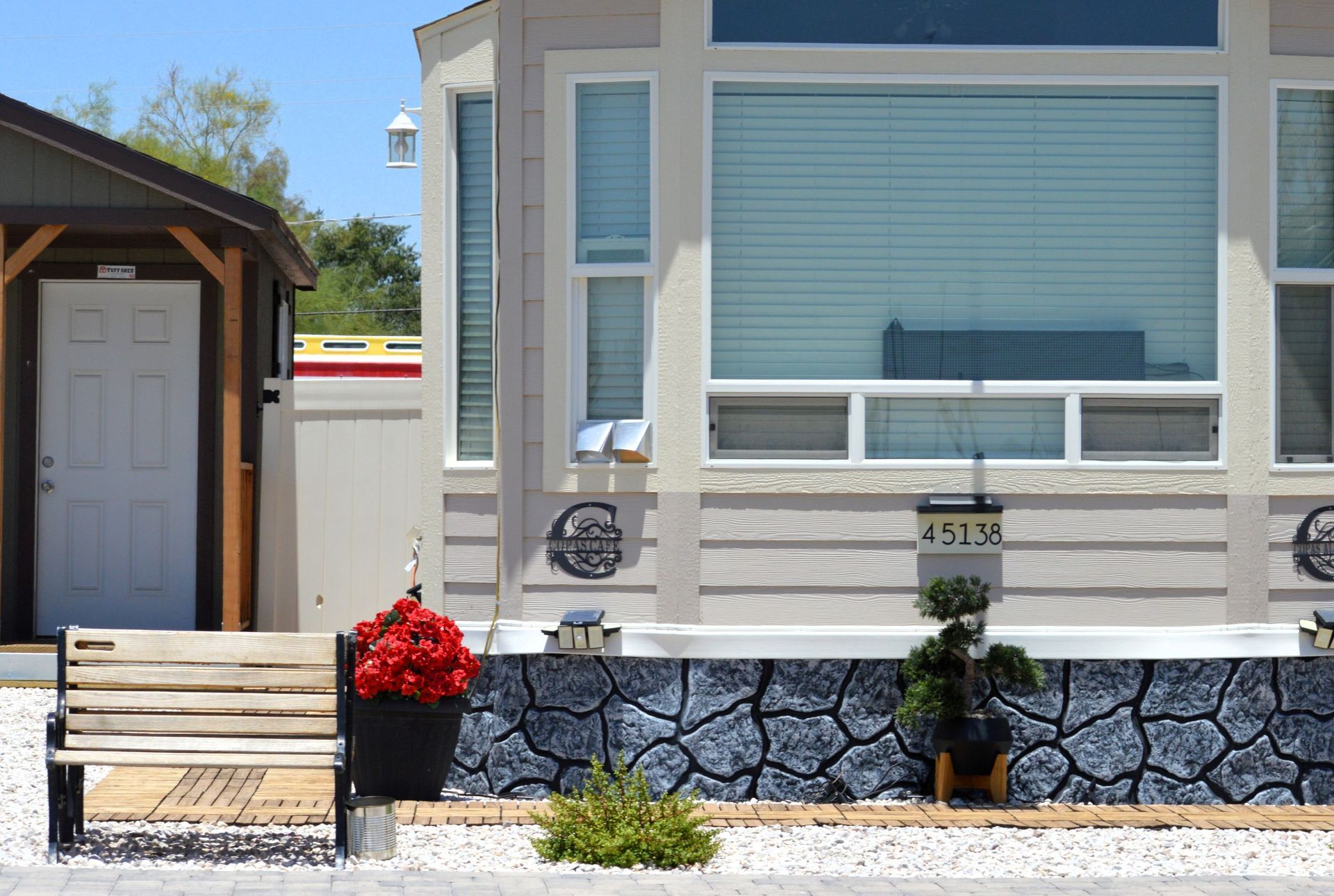
How Single-Contractor Management Shortens Timelines
When one team controls all trades, scheduling becomes predictable because subcontractors arrive based on actual construction progress rather than optimistic calendar estimates. Electricians and plumbers coordinate rough-in work without conflicting over wall cavity access. Finish carpenters follow drywall completion immediately rather than waiting weeks for an unrelated contractor to return phone calls. Many projects reach substantial completion in approximately 90 days because coordination happens internally rather than through homeowner-managed phone calls.
After turnkey construction completes, you receive a finished accessory dwelling that passed all required inspections and includes connected utilities, functional systems, and completed interior finishes. Keys are handed over once final walkthrough confirms that trim, flooring, fixtures, and appliances are installed and operational. Warranty questions go to the same contractor who managed the entire build, so you avoid determining which subcontractor is responsible for specific issues.
This model also simplifies budget management because one contract covers the full scope. Change orders are processed internally when design adjustments occur, and material cost fluctuations are absorbed within the established agreement rather than triggering renegotiations with multiple vendors.
Answers to Frequent Service Questions
Homeowners evaluating turnkey construction typically want clarity on what the service includes and how long the process takes from start to finish.
What does site preparation involve before foundation work begins?
Crews clear vegetation, excavate to required depth, address drainage concerns, and establish utility pathways so foundation installation proceeds without encountering obstacles that delay concrete placement or require costly rework after forms are set.
How does one contractor coordinate multiple trades without scheduling conflicts?
A dedicated project manager sequences inspections and subcontractor arrivals based on actual completion milestones rather than estimated dates, so rough plumbing happens after framing but before insulation, and finish trades start only after systems pass inspection.
Why do some accessory dwelling projects finish in about 90 days while others take much longer?
Turnkey contractors control the entire schedule and keep materials staged for each phase, while projects using separate contractors often stall waiting for one trade to return and complete work before the next trade will start, which adds weeks of idle time between active construction days.
What happens if unexpected site conditions require design changes during construction?
The same team that planned the structure makes adjustments and documents changes in real time, so revised framing or utility routing gets implemented immediately without pausing work to consult external designers or waiting for amended permit approvals.
How does Portland's winter weather affect turnkey construction schedules?
Experienced Maine contractors plan foundation and exterior work for milder months and schedule interior finishing during colder periods when heating allows drywall, paint, and trim work to proceed without weather delays, so projects maintain forward progress year-round.
ADU Homes Of Maine delivers dependable scheduling and quality workmanship across every construction phase. Discuss your project goals and property conditions with our team to determine how turnkey construction fits your timeline and budget expectations.